An injury can make even the most dedicated fitness enthusiast question whether it’s safe to exercise again. Some people stop moving completely, while others return too soon and end up aggravating the problem. In reality, recovery is rarely about choosing between complete rest and intense workouts. It’s about knowing how to progress safely. Sports medicine studies also emphasise that returning to activity is a gradual, collaborative process rather than a single milestone.
That is why experienced coaching becomes valuable. Instead of following generic workout plans or guessing what your body can handle, a qualified trainer can adapt your programme to match your recovery stage, fitness level, and long-term goals. Many people looking to connect with the best personal trainers across Dubai seek personalised support because it helps them stay active without unnecessary risks. Recovery isn’t about doing less forever; it’s about doing the right things at the right time.
Why Training After an Injury Requires a Different Approach
Returning to exercise after an injury isn’t simply a matter of reducing the weights or shortening a workout. Every injury affects movement differently, and recovery depends on factors such as tissue healing, strength loss, mobility, confidence, and overall health. Two people with the same diagnosis may recover at completely different speeds.
Pain also doesn’t tell the whole story. Feeling better doesn’t always mean the injured area is ready for the same workload as before. Likewise, mild discomfort during rehabilitation doesn’t necessarily indicate damage. That’s why progression should be based on movement quality, function, and professional assessment instead of assumptions. Research recommends supporting rebuilding of activity gradually while monitoring how the body responds rather than rushing back to previous training levels.
Working with the best personal trainers based in Dubai allows your programme to evolve alongside your recovery. Rather than chasing personal records, the focus shifts to restoring confidence, improving stability, rebuilding strength, and preparing your body for long-term performance. That patient, structured approach often creates a stronger foundation than simply returning to old habits.
How a Personal Trainer Supports Safe Recovery Without Rushing Progress
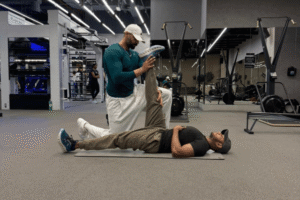
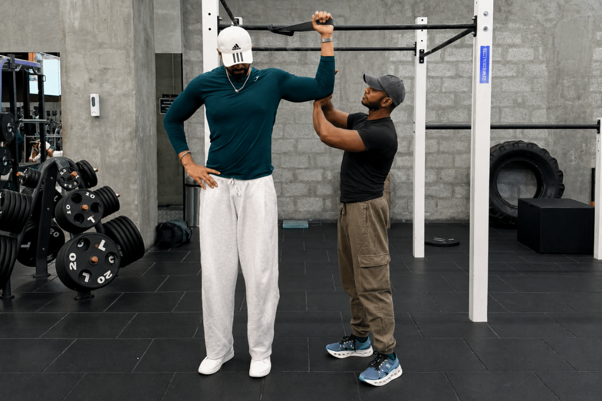
A good personal trainer doesn’t replace medical advice or physiotherapy. Instead, they build on the guidance you’ve already received from your health care professional by creating workouts that respect your current abilities while helping you regain function. Every session has a purpose, with adjustments based on how you’re responding instead of following a fixed template.
Instead of concentrating only on the injured area, trainers also look at overall movement patterns. Injuries often lead people to compensate by placing extra stress on other joints or muscles, increasing the likelihood of future problems if left unaddressed.
A qualified trainer supports your recovery by:
- Assessing your current movement before increasing intensity.
- Modifying exercises to avoid unnecessary strain.
- Reinforcing proper technique and posture.
- Progressing strength and mobility at a manageable pace.
- Monitoring fatigue and recovery between sessions.
- Encouraging consistency without pushing beyond safe limits.
People looking to train with the best personal trainers in Dubai often value this personalised attention because it removes much of the guesswork from returning to exercise. Instead of asking, “Can I do this today?” you’ll have a structured plan that evolves with your progress. The goal isn’t simply getting back into the gym; it’s returning with better movement, greater confidence, and habits that help reduce the likelihood of future setbacks.
A Step-by-Step Path Back to Confident Training
Successful recovery doesn’t happen overnight. It follows a gradual process that balances patience with steady progression. A structured plan helps ensure that every stage prepares you for the next instead of skipping important foundations.
1. Assess your current starting point
Review mobility, strength, balance, and any movement restrictions before planning workouts.
2. Restore comfortable movement
Reintroduce exercises that improve range of motion and rebuild confidence without provoking unnecessary pain.
3. Gradually rebuild strength
Increase resistance and training volume only when your body adapts well to previous sessions.
4. Improve stability and endurance
Develop the muscles and movement patterns that support everyday activities and future training demands.
5. Return to regular training with confidence
Progress toward your previous fitness goals while continuing to monitor technique, recovery, and workload.
Dubai’s best personal trainers follow this progressive mindset because it prioritises sustainable improvement over quick results. Research consistently shows that return-to-sport and return-to-exercise decisions should consider more than pain alone, making gradual progression an essential part of safe recovery.
Training Alone vs Training with Professional Guidance
Recovering independently can work for some people, but it often becomes difficult to judge when to progress, when to hold back, or whether movement quality has fully returned. Professional guidance helps replace uncertainty with informed decision-making.
| Training Alone | Training with Professional Guidance |
|---|---|
| Relies on trial and error | Follows a structured progression plan |
| May overlook poor movement patterns | Technique is monitored and corrected |
| Difficult to judge safe intensity | Workloads are adjusted according to recovery |
| Progress may stall through fear or overconfidence | Confidence grows alongside physical improvements |
| Higher chance of inconsistent training | Regular reviews keep recovery on track |
Choosing one of the best personal trainers in Dubai can provide accountability, objective feedback, and personalised programming throughout the recovery journey. That support becomes especially valuable when motivation fluctuates, or uncertainty creeps in after time away from training.
Ultimately, safe recovery isn’t about doing more exercises; it’s about making better decisions throughout the process. Professional guidance helps transform those decisions into consistent progress.
Building Strength After Recovery
Many people assume recovery ends once pain subsides, but that’s only one milestone. Strength, coordination, and confidence often need additional time to return, especially after weeks or months of reduced activity. Stopping rehabilitation too early may leave underlying weaknesses unaddressed.
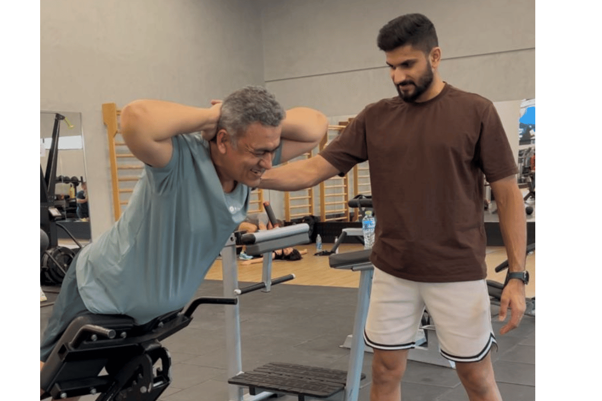
This is why long-term strength development deserves equal attention. A balanced programme can improve movement quality, support joint stability, and help you return to everyday activities or sport with greater resilience. One should maintain appropriate activity during recovery whenever medically suitable, rather than relying on prolonged inactivity.
Working with the best personal trainers in Dubai can help bridge the gap between recovery and regular fitness. Instead of simply returning to your previous routine, you’ll be building a stronger foundation that supports performance, confidence, and healthier movement well into the future.
Train Smarter, Recover Stronger with AbhiFit
Recovering from an injury doesn’t mean giving up on your fitness goals; it means approaching them with greater awareness and the right support. At AbhiFit, personalised training programmes are designed to match your recovery stage, helping you rebuild strength safely while working towards lasting results. Whether you’re returning after a setback or looking to move with greater confidence, experienced coaching can make every step forward more purposeful and sustainable.