Starting a personal training programme often comes with one big question: “When will I actually see results?” It’s an understandable concern, especially when social media is filled with dramatic before-and-after photos and promises of rapid transformations. In reality, meaningful progress doesn’t follow a fixed timeline.
Your starting fitness level, lifestyle, nutrition, recovery, and training consistency all influence how your body responds. Rather than chasing unrealistic expectations, it’s far more helpful to understand what steady, sustainable improvement looks like. Working with a certified personal trainer gives you a structured plan tailored to your goals, helping you make measurable progress without relying on guesswork. Instead of comparing yourself with someone else’s journey, focus on building habits that support lasting health, strength, and confidence. When expectations are realistic, every milestone becomes more rewarding and easier to maintain over time.
What Influences How Quickly You See Results?
No two people begin their fitness journey under the same circumstances, which is why there isn’t a universal answer to how quickly results appear. While some notice positive changes within weeks, others require more time depending on their individual situation. A well-planned programme created by a certified personal trainer considers these differences rather than applying the same routine to everyone.
Several factors play an important role:
- Your current fitness level and training history.
- Whether your goal is fat loss, muscle gain, improved endurance, or overall health.
- How often you exercise each week.
- The quality of your nutrition and hydration.
- Sleep, recovery, and stress management.
- Daily activity levels outside the gym.
- Consistency over several weeks and months.
These factors work together rather than independently. Someone who trains regularly but overlooks recovery may progress more slowly than someone following a balanced routine. Likewise, realistic expectations make it easier to stay committed when visible changes take time. Instead of asking whether you’re improving as quickly as someone else, it’s more valuable to ask whether you’re moving forward compared with where you started.
What Does a Realistic Personal Training Timeline Look Like?
Although every individual progresses differently, many people experience similar milestones when following a structured programme. Understanding these stages helps replace unrealistic expectations with achievable ones.
1. Weeks 1-2: Building the Foundation
The first couple of weeks focus on learning proper movement patterns, improving exercise technique, and establishing a routine. Many people also notice better energy levels and increased motivation.
2. Weeks 3-6: Growing Stronger
As your body adapts, workouts begin to feel more manageable. Strength, stamina, coordination, and confidence often improve before dramatic physical changes become obvious.
3. Months 2-3: Visible Improvements
With consistent training, balanced nutrition, and adequate recovery, many people begin noticing changes in body composition, muscle definition, posture, and overall fitness. A certified personal trainer can adjust your programme as your body adapts, helping you continue progressing safely.
4. Beyond Three Months: Long-Term Results
This is where sustainable habits begin delivering lasting rewards. Instead of temporary changes, you develop stronger movement patterns, healthier routines, improved physical performance, and greater confidence. Progress may become slower than it was initially, but it is often more meaningful because it’s built on consistency rather than short-term effort.
Why Progress Isn’t Just About the Weighing Scale
Many people judge success by one number on the scale, but weight tells only part of the story. Body composition, strength, mobility, endurance, and overall wellbeing often improve before significant changes in body weight become noticeable.
For example, your clothes may fit better even if your weight remains similar. Climbing stairs becomes easier, everyday activities feel less tiring, and lifting heavier weights starts to feel achievable. Better posture, improved flexibility, higher energy levels, and quality sleep are also signs that your body is responding positively.
These improvements deserve just as much attention because they reflect genuine progress. A certified personal trainer tracks multiple indicators instead of focusing on weight alone, helping you recognise achievements that might otherwise go unnoticed. Looking at the bigger picture makes it easier to stay motivated during periods when the scale changes slowly, encouraging a healthier relationship with fitness and long-term success.
Unrealistic Expectations vs Realistic Progress
Many frustrations come from expecting instant results rather than understanding how gradual improvement works. Comparing yourself with online transformations or someone else’s experience can create unnecessary disappointment.
| Unrealistic Expectations | Realistic Progress |
|---|---|
| Dramatic changes within two weeks | Gradual improvements built over time |
| Weight is the only measure of success | Strength, energy, mobility, and confidence also matter |
| Everyone follows the same timeline | Progress varies from person to person |
| More workouts always mean faster results | Recovery supports long-term improvement |
| Motivation alone guarantees success | Structured planning and consistency make the difference |
Fitness isn’t about perfection. There will be weeks where progress feels obvious and others where improvements are more subtle. That doesn’t mean your efforts aren’t working. Sustainable results usually come from making small adjustments, staying patient, and continuing to build healthy habits.
Understanding this difference helps you avoid unnecessary frustration and appreciate the steady improvements that contribute to long-term health instead of chasing unrealistic deadlines.
How a Certified Personal Trainer Helps You Reach Your Goals More Efficiently
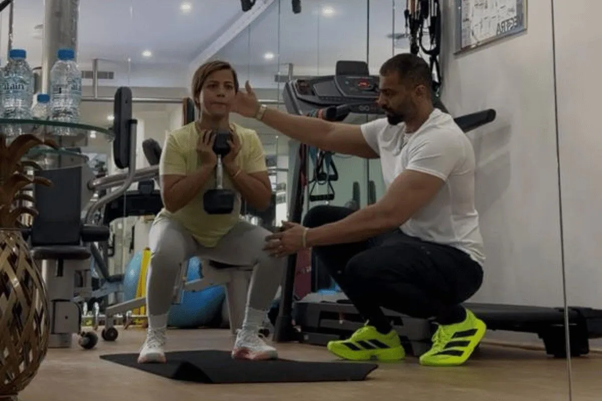
Working with a personal trainer offers far more than workout supervision. Professional guidance begins with understanding your current fitness level, lifestyle, and objectives before creating a programme that suits your individual needs.
Regular assessments allow exercises, intensity, and progression to be adjusted as your abilities improve. This reduces unnecessary trial and error while helping lower the risk of poor technique or overtraining. A personal trainer also provides accountability, practical advice, and ongoing encouragement, making it easier to stay committed even when motivation naturally fluctuates. With structured guidance, every session becomes purposeful, helping you make steady progress towards sustainable, long-term results.
Achieve Lasting Results with AbhiFit
Meaningful fitness results aren’t measured by how quickly they appear but by how well they last. With personalised coaching, realistic goal setting, and consistent support, AbhiFit helps you build healthy habits that fit your lifestyle.
If you’re ready to train with confidence instead of chasing unrealistic expectations, our experienced team will help you take the next step towards lasting, measurable progress.