Growing older does not mean giving up strength, movement, or independence. For someone living with arthritis, osteoporosis, or a joint replacement, however, exercise may come with questions: What is safe? What should be modified? And when is professional guidance needed?
The age or a musculoskeletal condition does not automatically rule out physical activity. Guidelines for older adults support a combination of aerobic, muscle-strengthening, and balance activities, with the programme adapted to individual abilities and health circumstances.
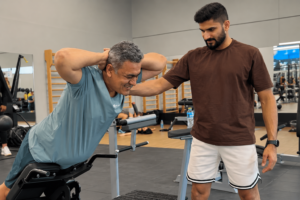
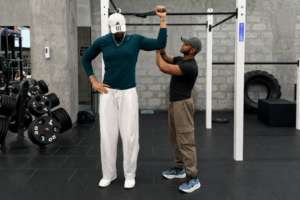
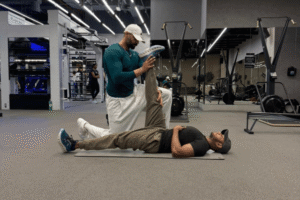
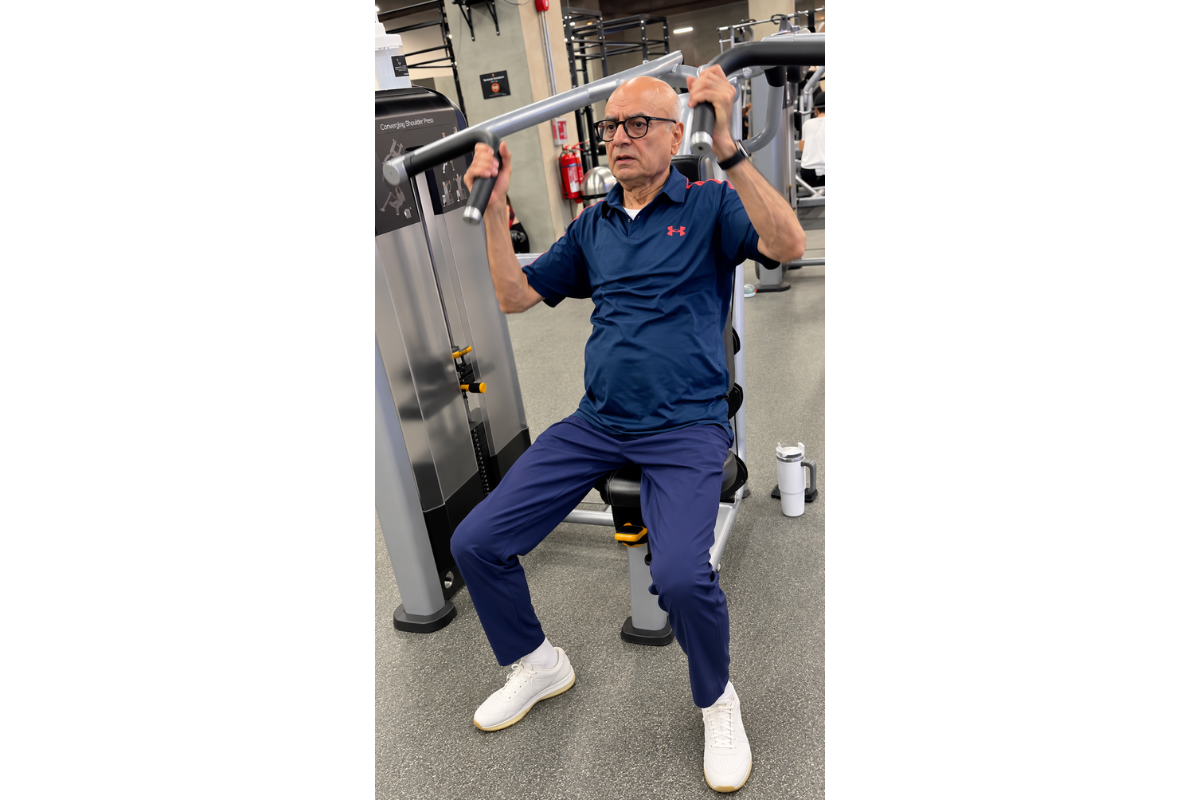
A certified personal trainer specialising in seniors’ fitness can help apply those principles into practical sessions, while working within advice provided by a doctor or physiotherapist. The aim is not to push through limitations, but to build useful strength, steadier movement, and confidence for everyday life, while keeping exercise in its proper place alongside medical care and rehabilitation.
Why Staying Active Matters as You Age
Staying active can become more valuable with age because strength, balance, and functional capacity influence how easily you manage everyday tasks. Regular activity can help older adults preserve mobility and independence, while multicomponent programmes that include strength and balance work can reduce the risk of falls.
For seniors managing arthritis or another long-term musculoskeletal condition, movement can also support function and quality of life. Centers for Disease Control and Prevention (CDC) guidance notes that physical activity can reduce arthritis pain and improve function, mood, and quality of life.
A dedicated personal trainer experienced in designing routines for seniors may therefore focus on practical outcomes rather than simply fitness scores. Depending on the individual, useful priorities can include:
- Getting up from a chair more comfortably
- Carrying groceries or household items with greater ease
- Improving balance and coordination
- Maintaining enough strength for daily activities
- Feeling more secure when walking, climbing stairs, or exercising
The objective is to keep the person capable, active, and confident while respecting their current abilities.
How Arthritis, Osteoporosis, and Joint Replacements Change the Training Approach
The same exercise plan cannot be applied to every older adult with a musculoskeletal condition. Arthritis, osteoporosis, and joint replacements create different considerations, so the training emphasis needs to reflect the person’s diagnosis, symptoms, recovery stage, and professional medical advice.
| Condition | Key consideration | Training emphasis |
|---|---|---|
| Arthritis | Joint pain, stiffness, and function | Strength, mobility, and manageable activity |
| Osteoporosis | Bone health and fracture risk | Resistance, balance, posture, and appropriate loading |
| Joint replacement | Surgical recovery and individual restrictions | Functional strength, mobility, and gradual return to activity |
For arthritis, joint-friendly activity and muscle strengthening can support pain management and function. Low-impact options may be useful when certain movements are uncomfortable.
With osteoporosis, resistance and balance training can be valuable, but exercise selection matters. People with a history of vertebral fracture, for example, may need specific modifications, and some forward-bending movements may be unsuitable.
After a joint replacement, the programme should reflect the stage of recovery and restrictions provided by the surgical or rehabilitation team. A personal trainer skilled in post-surgery mobility and strength for seniors can then adapt training around that guidance rather than making assumptions about what the replaced joint can tolerate.
This is where an experienced personal trainer adapting clinical movement guidelines for seniors can add value: not by treating the condition, but by turning appropriate clinical guidance into sensible exercise choices and manageable progression. The programme should remain responsive as the person’s capacity, comfort, and confidence change over time. Small adjustments can make training more practical and sustainable.
What a Personal Trainer for Seniors Can Do Differently
A trainer working with older adults needs to look beyond the exercise itself. The session should reflect how the client moves, what they can comfortably manage, and any instructions or restrictions already provided by their healthcare team.
- Reviewing health information and current limitations before increasing workload.
- Selecting exercises that match the client’s movement capacity.
- Adjusting resistance, range of motion, tempo, or support when needed.
- Watching technique closely, particularly during balance and strength work.
- Tracking how the client responds during and after sessions.
- Progressing the programme when the current level becomes well tolerated.
- Communicating with the healthcare team when appropriate and with consent.
For arthritis, that may mean modifying a movement when symptoms flare. For osteoporosis, attention to posture, alignment, loading, and fall risk can become more important. Following joint replacement, the trainer needs to respect the recovery plan rather than treating the client like someone returning from an ordinary break from exercise.
Good coaching gives older adults room to improve while keeping the programme appropriate to their circumstances. A knowledgeable personal trainer focused on safe exercise for seniors should know when to progress, when to modify, and when to refer a concern back to the healthcare team.
A Practical Step-by-Step Approach to Starting Training
Starting a senior training programme should feel measured, not intimidating. A process can make the sessions more comfortable and give both the client and trainer a reference point.
1. Review the starting point
Discuss health history, abilities, previous exercise experience, symptoms, and any instructions from a doctor or physiotherapist. This gives the personal trainer a picture of what needs attention.
2. Establish controlled movements
Begin with exercises the client can perform with control. A personal trainer for senior wellbeing may use lighter resistance, support, or a limited range of movement where appropriate.
3. Build useful capacity
Gradually develop strength, balance, mobility, and endurance through movements that relate to everyday tasks. Progression should follow the person’s response rather than a fixed schedule.
4. Monitor and adjust
Pay attention to technique, fatigue, discomfort, and recovery between sessions. If something is not well tolerated, the programme can be modified rather than forcing that exercise.
5. Reassess regularly
As capability changes, an attentive personal trainer managing routines for seniors can adjust resistance, repetitions, balance challenges, or exercise complexity. This keeps the programme relevant without turning every session into a test of limits. It also gives the client a clearer sense of improvement over time and safely.
When Personal Training Should Be Adapted or Paused
A session may need to be changed when the person’s condition changes. Consider seeking medical guidance promptly if there is:
- New or unexplained pain
- A fall, suspected fracture, or injury
- New swelling or a change in joint function
- Uncertainty about movement restrictions after joint replacement
- Symptoms that persist or worsen after exercise
For someone with osteoporosis, caution is warranted if they have a history of vertebral fracture or high fracture risk; the Bone Health & Osteoporosis Foundation recommends professional guidance in such situations.
A personal trainer prioritising joint safety and clinical precautions for seniors should respond to warning signs by modifying the session and, when medically appropriate, directing the client back to their healthcare professional.
Choosing the Right Personal Trainer for Senior Fitness
Experience with older adults matters, but it should not be the only consideration. Look for a personal trainer to deliver rehabilitation and mobility support for seniors who understands exercise modification, communicates patiently, and is comfortable working within medical or physiotherapy recommendations.
Ask before choosing:
- Have you worked with clients managing arthritis, osteoporosis, or joint replacements?
- How do you adapt exercises when symptoms or ability change?
- How do you monitor progression and recovery?
- Will you work alongside guidance from my healthcare team?
A trainer should make the client feel heard rather than rushed. For seniors, knowledge matters, but so do communication, patience, and the ability to build confidence through manageable challenges.
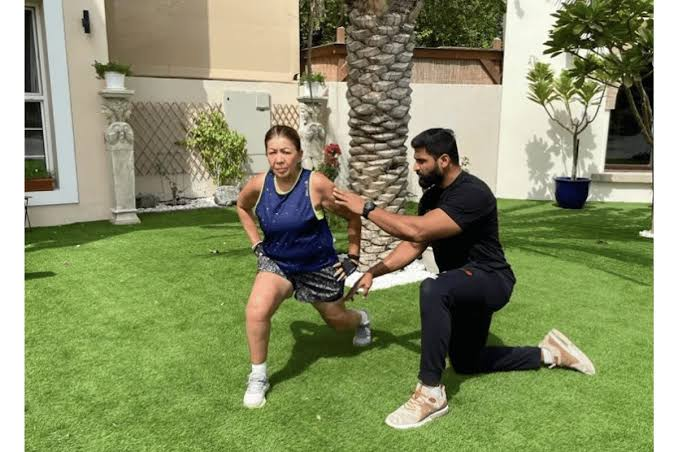
Train With Confidence at Abhiifit
Age or a joint condition does not have to bring purposeful movement to an end. At Abhiifit, training can be shaped around your abilities, goals, and professional health guidance, with an emphasis on strength, mobility, balance, and everyday independence. Speak with our expert team to explore a practical approach to senior fitness. The aim is to support useful movement and confidence at every stage.