A lower number on the scale can feel like the clearest sign that a weight-loss plan is working. But when weight comes down quickly or substantially, another question deserves attention: what is happening to your muscle?
GLP-1-based medicines (glucagon-like peptide-1 receptor agonists) can support weight loss, but losing weight does not mean losing only body fat. Lean tissue can decline during substantial weight reduction, and researchers are still studying how much of that change represents skeletal muscle. That makes strength training and adequate nutrition important parts of a broader approach to body composition.
A comprehensive weight loss program offered in Dubai should facilitate changes beyond the scale. When medication is prescribed by a healthcare professional, structured exercise and nutrition support can complement treatment by helping maintain strength, function, and useful muscle tissue throughout the weight-loss journey.
What Happens to Muscle During GLP-1-Assisted Weight Loss?
Weight reduction involves more than shrinking fat stores. Some lean tissue is commonly lost alongside fat during significant weight loss. Recent studies suggest a meaningful proportion of weight lost during incretin-based treatment can be classified as lean mass, although that term includes more than skeletal muscle. It can also include water, organs, bone, and other tissues.
A 2026 meta-analysis of 20 randomised trials found that lean mass accounted for about 25% to 39% of total weight lost with different incretin therapies. It also reported a more favourable lean-mass profile when lifestyle intervention included resistance training.
What this means in practice:
- Scale weight alone cannot show whether muscle is being maintained.
- Lean mass and muscle mass are not identical measurements.
- Results vary with diet, activity, starting body composition, age, and training history.
- Preserving strength and physical function matters alongside reducing body weight.
A weight loss program should consider body composition and performance, not simply how quickly kilograms disappear. A structured weight loss program across Dubai should be built around sustainable habits that make that broader picture easier to monitor over time.
Why Strength Training Matters During Weight Loss
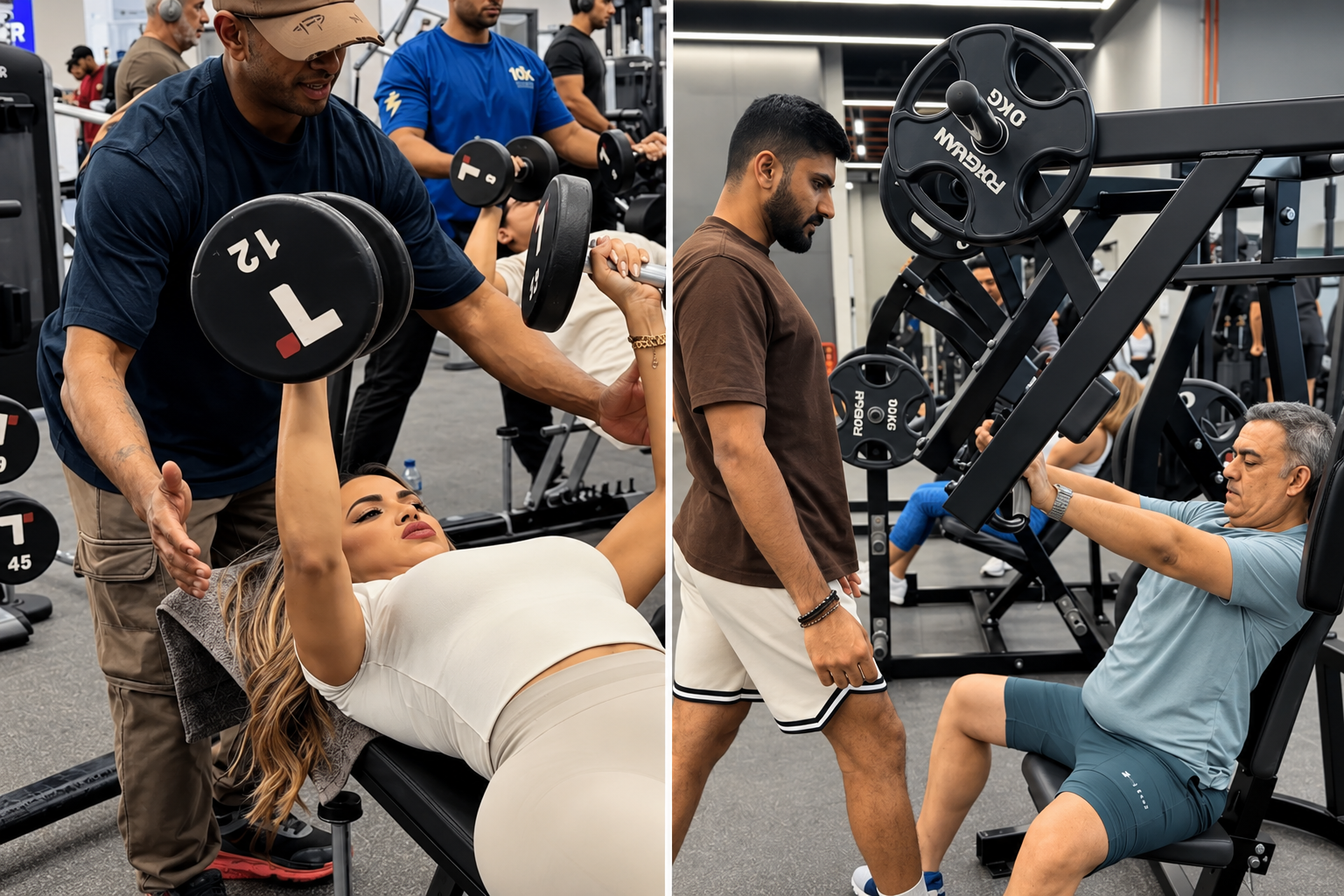
Strength training gives the body a reason to retain and develop muscle while energy intake is reduced. Adding resistance exercise can help protect fat-free mass and improve strength compared with diet alone.
A well-designed programme supports:
- Muscle retention: Resistance work provides a stimulus for muscle tissue during weight loss.
- Strength: Maintaining strength helps preserve physical capacity for daily tasks and exercise.
- Function: Stronger muscles support movement, stability, and independence.
- Bone health: Resistance exercise can contribute to skeletal health alongside other activity.
- Long-term fitness: Building strength creates an outcome broader than reaching a target weight.
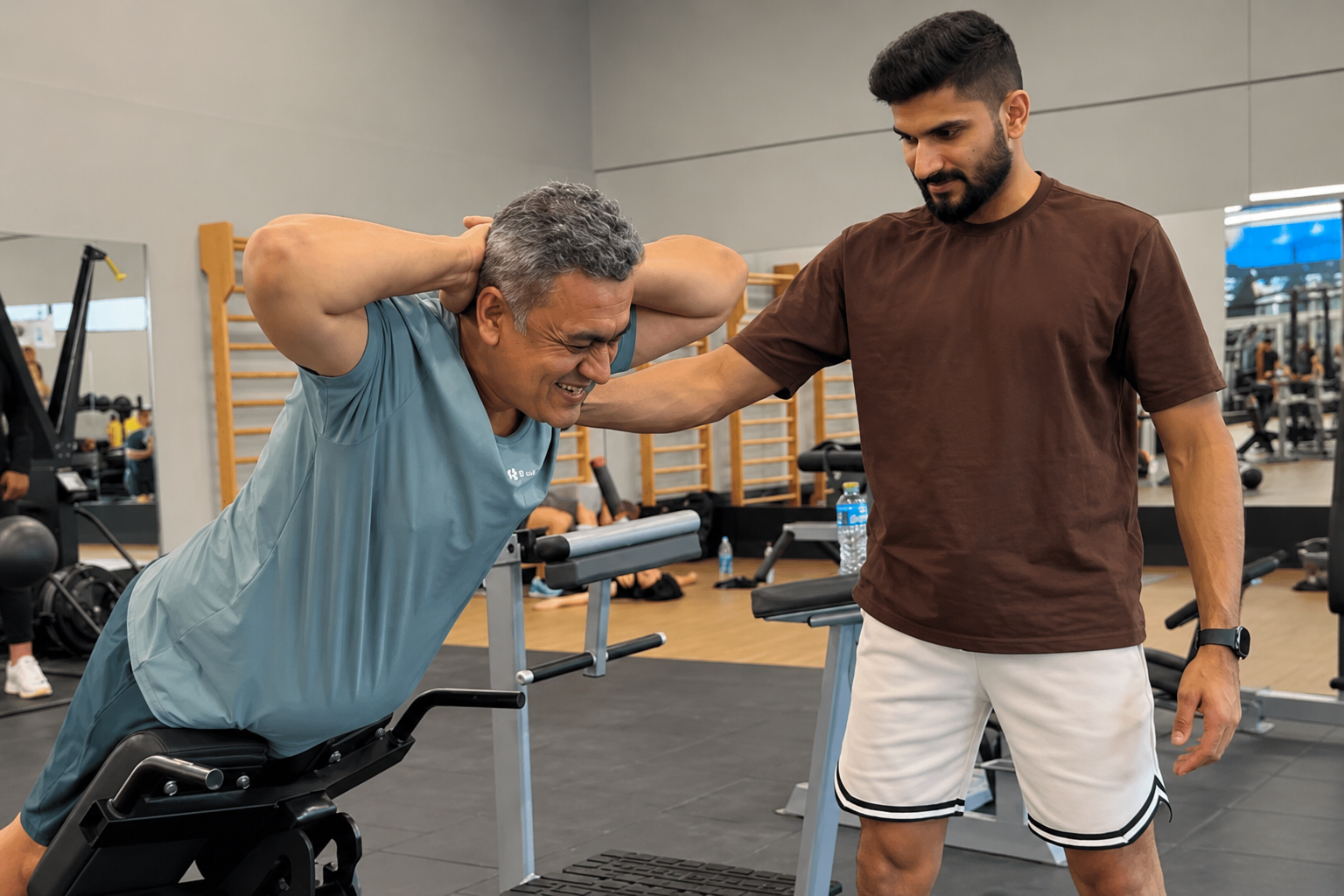
The aim is to make every workout progressive resistance training, with good technique, manageable volume, and sufficient recovery, which are more useful than chasing maximum intensity. For a personalised weight loss program available in Dubai that prioritises muscle-preserving strength training, exercise should match the person’s experience, health status, and current capacity. A personalised approach also makes it easier to adjust workload as body weight, energy, and training tolerance change.
Protein and Nutrition: Fueling Muscle While Appetite Changes
GLP-1 medicines can reduce appetite and slow gastric emptying, which may make it harder for some people to consume enough food and nutrients. Food quality and adequate protein therefore deserve attention during weight loss, particularly when maintaining muscle and strength.
| Less Helpful Approach | More Muscle-Conscious Approach |
|---|---|
| Focusing only on eating less | Prioritising nutrient-dense foods |
| Treating protein as optional | Including adequate protein within meals |
| Ignoring reduced appetite | Planning smaller, nourishing meals |
| Relying on supplements automatically | Using supplements when appropriate |
| Judging success only by weight | Considering strength, function, and body composition |
There is no single protein target that suits everyone. Requirements vary with body size, age, kidney function, health conditions, activity, and training goals. Current obesity-medicine guidance stresses adequate protein and micronutrient intake while recognising individual needs.
For someone following a weight loss program in Dubai tailored to fuel lean mass and workout recovery, nutrition should support training rather than compete with it. If appetite is persistently very low or food intake becomes difficult, discuss the situation with a qualified nutrition professional.
How to Structure Strength Training While Taking a GLP-1 Medication
Strength training during medication-assisted weight loss does not need to mean long or punishing gym sessions. The priority is giving your muscles a consistent training stimulus while allowing enough recovery for your body to adapt.
1. Start with your current ability
Your training history, strength, mobility, age, and health status should determine where you begin. A weight loss program should not assume that every client needs the same exercises or workload.
2. Keep resistance manageable
Choose loads that allow controlled, technically sound repetitions. Machines, free weights, resistance bands, or bodyweight movements can all have a place depending on experience and capability.
3. Prioritise the major movement patterns
A balanced routine can include exercises that train the legs, hips, back, chest, shoulders, and core. The goal is useful strength rather than exhausting every muscle in one session.
4. Progress when your body is ready
Increase resistance, repetitions, or training volume gradually when the current workload becomes manageable. A program should evolve rather than remain fixed throughout a changing weight-loss phase.
5. Respect recovery and changing energy levels
Reduced appetite, altered food intake, or lower energy may affect how a session feels. Adjusting volume or intensity can be sensible rather than forcing the original plan.
6. Review the programme regularly
Changes in strength, body weight, nutrition, and training response can all inform future adjustments. For a weight loss program tailored for GLP-1 patients across Dubai, regular reassessment keeps exercise aligned with the individual’s current needs.
How to Know Whether Your Weight-Loss Plan Is Supporting Strength
The scale can show that body weight is changing, but it cannot tell you everything about physical performance. Look for a broader set of indicators.
- Are you maintaining or improving your strength on familiar exercises?
- Can you complete everyday tasks comfortably?
- Is your training performance remaining reasonably stable?
- Are you recovering adequately between sessions?
- Are you eating enough nutritious food to support training?
- Is your weight changing without a major decline in physical capability?
A weight loss program designed to support sustainable progress offered in Dubai should consider these markers alongside body weight rather than treating the scale as the sole measure of success. If strength falls noticeably, persistent fatigue develops, or eating becomes difficult, the programme may need reassessment and appropriate professional input.
Lose Weight. Keep Your Strength Smarty
Abhiifit combines personalised training and nutrition support into a dedicated weight loss program for clients in Dubai, helping them work towards healthier body composition while maintaining strength and physical capability. If you’re using a GLP-1 medication and want a structured approach to training, connect with our experts to build a programme around your goals, needs, and professional medical guidance.